Views: 0 Author: Site Editor Publish Time: 2026-09-08 Origin: Site
Textile engineers constantly fight a battle between warmth and weight. You want a high CLO value, but you cannot afford heavy, bulky garments or sleeping bags. Traditional solid synthetic fibers add too much mass. They make products heavy without trapping enough heat. Natural fills like down offer great warmth-to-weight ratios. However, down fails completely when wet and relies on unpredictable agricultural supply chains. Structural fiber engineering fixes this. By extruding fibers with an internal cavity and a mechanical crimp, we manipulate heat transfer at the microscopic level. This hollow structure displaces heavy polymer with weightless air. It gives you a measurable, scalable way to optimize thermal insulation across commercial production lines without the drawbacks of solid plastics or natural feathers.
Thermodynamic Efficiency: The internal void in hollow fibers traps static air, creating a highly efficient thermal barrier that significantly reduces conductive heat loss compared to solid fibers.
Structural Loft: "Conjugation" (a 3D helical crimp) prevents fibers from packing too densely, maintaining the macro-level air pockets necessary for sustained insulation and long-term resilience.
Cost-to-Performance Ratio: Hollow synthetic fills offer predictable sourcing costs and consistent thermal performance, bridging the gap between premium natural down and basic solid polyester.
Cross-Industry Utility: Beyond apparel, the acoustic and thermal properties of these engineered fibers make them critical components in bedding, upholstery, and industrial padding.
The primary goal of any insulation material is minimizing conductive and convective heat loss. Heat naturally moves from warmer areas to colder areas. In garments or sleeping bags, the objective is to slow this transfer from the human body to the external environment. Solid materials conduct heat relatively quickly. Gases conduct heat very poorly.
Static or dead air forms the foundation of all high-performance insulation. Because air acts as a poor conductor, trapping it effectively prevents thermal energy from escaping. The insulation medium itself does not generate heat. It simply creates a structural matrix that holds air in place, preventing convective currents from moving the warmed air away from the body. Engineers evaluate this thermal resistance using metrics like CLO or R-value, always measuring it relative to the density and thickness of the insulating layer. Testing facilities often use a sweating guarded hotplate (ISO 11092 standard) to measure exactly how much heat passes through a specific thickness of batting under controlled laboratory conditions.
Fiber fineness directly impacts thermal efficiency. Denier measures the linear mass density of fibers, specifically the weight in grams of 9,000 meters of the material. Finer fibers create a denser, more complex matrix of micro-air pockets within the non-woven layers. A lower denier means more individual fibers exist within a given weight of batting.
This increased number of fibers maximizes the total surface area available to trap air between the filaments. The friction and surface tension created by millions of fine intersecting fibers lock static air in place. Optimizing the denier establishes a strong baseline for inter-fiber air trapping. For example, a 3-denier fiber provides significantly more surface area than a 15-denier fiber of the same total weight. This structural baseline sets the stage for the secondary benefits introduced by internal hollow structures.
Solid polyester fibers rely entirely on inter-fiber air trapping. The warmth generated by solid fiber batting comes solely from the air caught in the spaces between the individual solid strands. The polymer itself provides minimal thermal resistance.
To increase the thermal resistance of a solid fiber fill, manufacturers must increase the density or the overall thickness of the batting layer. Adding more solid polymer increases the weight of the final product. End-users eventually face unacceptable weight penalties, carrying heavy garments or blankets that offer mediocre warmth. Engineered structures bypass this limitation by altering the fiber geometry rather than just adding more material. By changing the cross-section of the fiber, you change the physical properties of the entire batting layer without adding a single gram of extra polymer.
The micro-structure of a hollow polyester filling fiber reveals a distinct engineering advantage. During the extrusion process, specialized spinnerets force the liquid polymer through a shaped nozzle. Instead of a simple round hole, the spinneret capillary features a C-shape or an annular design with a solid center pin. As the molten polymer flows out, it wraps around this pin and fuses together before solidifying in the quenching cabinet. This creates a continuous internal macro-void, known as the lumen, running the entire length of the filament. The fiber resembles a microscopic drinking straw.
This geometry creates a dual-action insulation effect. Air is trapped between the intersecting fibers (inter-fiber) and simultaneously held captive inside the individual fibers (intra-fiber). This dual layer forms a highly efficient cold resistance barrier. Manufacturers engineer specific void ratios to optimize performance. The void ratio represents the percentage of the fiber's cross-section that is hollow. Typical ratios range from 15% to 30%. Pushing the void ratio higher increases trapped air but risks structural collapse under pressure. Keeping it within this engineered range balances thermal retention with physical integrity.
Conjugation refers to a specific bi-component polymer extrusion technique. Manufacturers combine two different polyester polymers side-by-side within the same spinneret hole. These two polymers possess different thermal shrinkage rates. As the newly extruded Hollow Conjugated Polyester Fiber passes through hot water drawing baths and relaxing ovens, one side of the fiber shrinks more than the other. This differential shrinkage forces the fiber to coil into a permanent, three-dimensional helical crimp.
Mechanical crimping is critical for maximizing warmth. The 3D helical coil acts like a microscopic spring. It forces adjacent fibers apart, preventing them from packing tightly together. This separation maximizes the volume of trapped static air within the overall fill matrix. Standard 2D mechanical crimping, often achieved by forcing fibers into a stuffer box, creates a flat zig-zag pattern. 2D crimps easily flatten under weight or after washing. The 3D conjugated crimp offers superior loft retention, resisting compression and maintaining the macro-level air pockets required for long-term insulation.
The warmth-to-weight ratio dictates the efficiency of any insulating material. Hollow structures achieve high thermal resistance by displacing heavy polymer mass with weightless air. The internal lumen reduces the actual weight of each individual fiber while maintaining its outer diameter. Manufacturers can achieve target CLO values using significantly lower fill weights compared to solid synthetics.
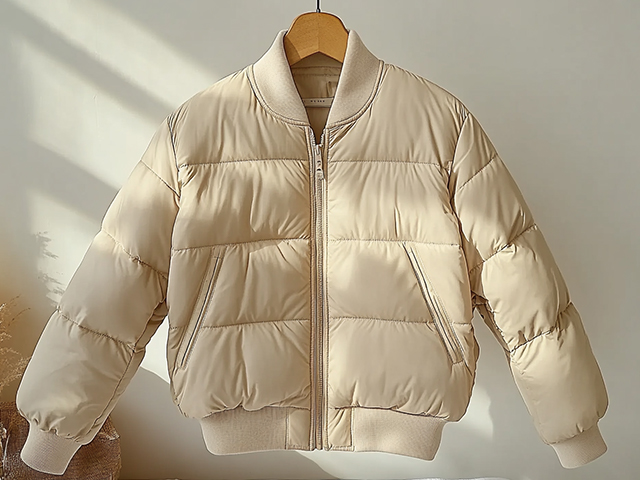
This efficiency directly impacts product design across multiple sectors. It enables the creation of lighter winter outerwear that does not restrict movement. Sleeping bags can achieve lower temperature ratings without expanding in packed volume. For bulk goods, reducing the mass of the fill material translates directly to reduced shipping weights and optimized logistics. You get the visual bulk and loft consumers expect, but the actual physical weight of the product drops by 15% to 20%.
Compression recovery defines the lifespan of filled products. When a user sleeps on a mattress pad or pillow, the fill material compresses under body weight. The 3D spring structure of conjugated fibers allows the material to bounce back to its original volume once the pressure is removed. Testing labs measure this by compressing a sample to a specific thickness for 24 hours, releasing it, and measuring the height recovery percentage.
This structural memory makes it an optimal resilient bedding fiber. Mattresses, pillows, and duvets require long-term loft retention to function correctly. Solid fibers or low-grade synthetics tend to permanently deform over time, leading to flat spots. The helical crimp resists this fatigue. It also significantly reduces clumping, a common issue where unblended natural fibers or straight synthetics mat together after extended use or laundering.
Natural down suffers a catastrophic loss of thermal resistance when exposed to moisture. When down clusters get wet, they collapse completely. The trapped air escapes, and the material loses its ability to insulate, potentially leading to dangerous heat loss in cold, wet environments.
Polyester is inherently hydrophobic. It absorbs less than 0.5% of its weight in water. Hollow conjugated fibers maintain their structural loft even when fully submerged or exposed to high humidity. Because the 3D crimp does not collapse when wet, the inter-fiber and intra-fiber air pockets remain intact. The material continues to trap heat and insulate the user, making it highly reliable for unpredictable weather conditions. Water simply drains through the non-woven matrix rather than soaking into the filaments.
Evaluating absolute thermal efficiency requires comparing hollow synthetics against both premium and budget alternatives. High fill-power natural down provides the highest warmth-to-weight ratio available. At the extreme high end of performance gear, down remains superior. However, hollow conjugated synthetics vastly outperform standard solid polyester.
When compared to commercial feather fills, the advantages become clearer. Feather blends often suffer from inconsistent loft, heavy weight penalties, and the physical discomfort of quills poking through the fabric shell. Hollow fibers eliminate all these issues. They provide approximately 80-90% of the thermal performance of mid-grade down but weigh significantly less than solid synthetics. This positions them as the ideal middle ground for mass-market performance goods.
Material Type | Warmth-to-Weight Ratio | Wet Weather Performance | Loft Retention & Recovery | Manufacturing Consistency |
|---|---|---|---|---|
Premium Down (800+ Fill) | Excellent | Poor (Collapses completely) | Excellent (Requires manual fluffing) | Low (Varies by batch/season) |
Hollow Conjugated Polyester | Very Good | Excellent (Retains 90%+ loft) | Very Good (Inherent structural memory) | High (Engineered extrusion) |
Solid Polyester | Poor (Heavy and dense) | Good (Drains water well) | Fair (Prone to permanent flattening) | High (Standard extrusion) |
Commercial Feather Blends | Fair | Poor (Clumps and smells) | Poor (Inconsistent, quills break) | Low (Agricultural product) |
Procurement realities often dictate material selection on the factory floor. Down and feathers rely entirely on agricultural supply chains. These markets experience frequent supply shocks due to avian flu outbreaks, seasonal harvesting variations, and fluctuating global demand. This volatility makes long-term production forecasting difficult and wreaks havoc on material budgets.
Hollow synthetic fibers offer risk-mitigated procurement. Production relies on polymer extrusion, allowing for stable pricing, scalable manufacturing, and consistent batch-to-batch quality control. While advanced insulators like aerogel-infused sheets exist, they remain cost-prohibitive for most applications. Hollow conjugated polyester stands as the most scalable, cost-effective solution for large-volume manufacturing runs requiring reliable thermal performance.
Material compliance and consumer safety drive fill selection in bedding and apparel. Animal-derived products require extensive washing, chemical treatments, and high-heat sterilization to remove dust, dander, and allergens. Even after processing, down can trigger allergic reactions in sensitive individuals.
Hollow polyester is inherently hypoallergenic. The synthetic polymer emerges from the extruder at over 280°C, rendering it completely sterile. It does not provide a food source for dust mites and resists microbial growth. This sterile baseline makes it much easier for manufacturers to achieve and maintain strict safety certifications, such as OEKO-TEX Standard 100, ensuring the final product is safe for direct skin contact and prolonged use.
Outdoor gear manufacturers operate under strict specification criteria. They must balance packability, wet-weather performance, and certified thermal ratings. Hollow fibers allow engineers to customize insulation profiles based on the end-use environment by simply changing the denier and cut length of the staple fiber.
Varying the denier of the hollow fiber changes the physical characteristics of the batting. Micro-denier hollow fibers (like 1.5D or 3D) create exceptionally soft, drapable insulation ideal for activewear and lightweight jackets. Higher denier fibers (like 7D or 15D) provide rigid, high-loft structures necessary for extreme cold-weather sleeping bags that must resist compression from the ground. You blend these deniers to hit exact CLO targets.
The physical properties of hollow conjugated fibers translate seamlessly across different industries. The same air-trapping mechanics that provide thermal insulation also excel at dampening sound waves. Sound energy enters the non-woven matrix, travels through the complex web of fibers, and enters the internal voids where it dissipates as low-level heat.
This makes the material highly effective as an automotive padding fiber. Engineers integrate it into door panels, headliners, and trunk liners. It achieves dual objectives: lightweight thermal regulation for the vehicle cabin and significant NVH (Noise, Vibration, and Harshness) reduction. Replacing traditional heavy asphalt-based sound-deadening mats with hollow fiber batting helps reduce overall vehicle weight, directly improving fuel efficiency.
Creating non-woven wadding or batting requires stabilizing the loose staple fibers into a cohesive sheet. You cannot just stuff loose fiber into a jacket; it will sink to the bottom. Manufacturers commonly blend hollow conjugated fibers with low-melt polyester staple fibers (LMF). Low-melt fibers feature a sheath-core structure where the outer sheath melts at a significantly lower temperature (typically around 110°C to 130°C) than the standard polyester core.
During production, workers load bales of hollow fiber and LMF into the blending hoppers, usually at an 80/20 or 85/15 ratio. The fibers pass through the carding machine, creating a uniform web. This web passes through a thermal bonding oven. The sheath of the low-melt fiber liquefies, acting as a thermal bonding agent. It fuses the hollow fibers together at their intersection points. As it cools, it locks the hollow fibers into a stable, semi-rigid matrix. This thermal bonding prevents the fill from shifting during use, eliminates cold spots, and removes the need for chemical binders or glues.
Sourcing from low-tier suppliers introduces specific quality risks. Poor extrusion control, specifically incorrect quenching air temperatures, can result in collapsed hollow cores. The lumen seals shut before the polymer solidifies. Inconsistent void ratios mean some fibers act like heavy solid fibers while others have walls too thin to withstand carding.
Specify exact acceptable tolerances for void percentages in procurement contracts (e.g., 20% ± 2%).
Require cross-sectional microscopic analysis in all vendor QA reports before accepting shipments.
Conduct random sampling of incoming bales, cutting fibers and inspecting the lumen under a microscope to verify the internal geometry remains intact.
Logistical efficiency requires vacuum-packing bulk fiber to maximize shipping container space. Bales are often compressed at high ratios. However, compressing hollow conjugated fiber beyond its elastic limit can permanently crush the internal void and flatten the 3D crimp, ruining the loft.
Establish strict guidelines with suppliers detailing maximum allowable compression ratios (do not exceed 6:1).
Define maximum storage durations for vacuum-packed bales before unpacking to prevent compression set.
Implement a mandatory resting period on the factory floor after cutting the bale straps, allowing the fibers to regain their structural loft for 24 hours before feeding them into the carding hopper.
A common risk involves suppliers substituting standard mechanically crimped hollow fiber for true bi-component conjugated fiber. Mechanical crimps look curly initially but lack the structural memory and long-term resilience of conjugated fibers. They will flatten out in the carding machine or after the first wash.
Implement thermal shrinkage testing during the initial vendor evaluation phase.
Examine fiber behavior under heat; drop a sample into boiling water. True conjugated fibers will tighten their helical coil immediately due to differential shrinkage.
Request detailed technical data sheets outlining the specific bi-component polymers used in the extrusion process.
Optimizing thermal insulation requires moving beyond simple material mass. Hollow conjugated polyester fiber offers a structurally engineered solution that maximizes static air retention while minimizing weight. By understanding the mechanics of the internal lumen and the 3D helical crimp, you can significantly improve product performance on the production line. To implement these materials effectively, take the following steps:
Audit current solid synthetic fills to identify product lines that would benefit immediately from weight reduction and loft improvement.
Define strict void ratio and denier specifications based on the required CLO values of your specific applications.
Update quality assurance protocols to include cross-sectional microscopy and thermal shrinkage testing for all incoming fiber batches.
Collaborate with logistics partners to establish safe compression limits for vacuum-packed bulk shipments to preserve structural memory.
A: The ideal void ratio typically falls between 15% and 30%. This range provides an optimal balance, maximizing the volume of trapped intra-fiber air for insulation without compromising the structural integrity of the filament under compression during carding or end-use.
A: No. Because the 3D helical crimp is created through bi-component polymer extrusion rather than simple mechanical pressing, the structure is permanent. It retains its loft, shape, and air-trapping capabilities even after repeated laundering.
A: Hollow fiber is significantly lighter than solid fiber of the same diameter. By replacing the solid polymer core with an air void, manufacturers achieve the same visual bulk and higher thermal resistance at a fraction of the physical weight.
A: Yes. Manufacturers typically blend hollow fibers with low-melt polyester fibers. When passed through a thermal bonding oven, the low-melt fibers melt and fuse the matrix together, eliminating the need for any chemical glues or liquid binders.
A: Natural down collapses when wet, losing all its trapped air and insulating properties. Hollow polyester is hydrophobic. It does not absorb water, allowing the 3D structure to remain intact and continue trapping heat even in high humidity or direct rain.
A: True conjugated fibers are made from two polymers with different shrinkage rates. You verify this through thermal shrinkage testing. When exposed to boiling water or high heat, a true conjugated fiber will tighten its helical coil, whereas a mechanically crimped fiber will not.