Views: 0 Author: Site Editor Publish Time: 2026-10-06 Origin: Site
Textile manufacturers constantly balance material weight against consumer demands for durability, loft, and comfort. Traditional solid fibers flatten under repeated compression. Natural down brings supply chain headaches, ethical sourcing hurdles, and high procurement barriers. Procurement teams need a scalable, reliable filling material that delivers high performance without compromising structural integrity. Transitioning to advanced synthetic fills solves these manufacturing bottlenecks. By examining the physical mechanics of these materials, production teams can identify which product categories yield the highest return. The unique structural properties and convenient processability of modern fibers allow factories to optimize yield, reduce overall product weight, and maintain the high-loft characteristics consumers expect.
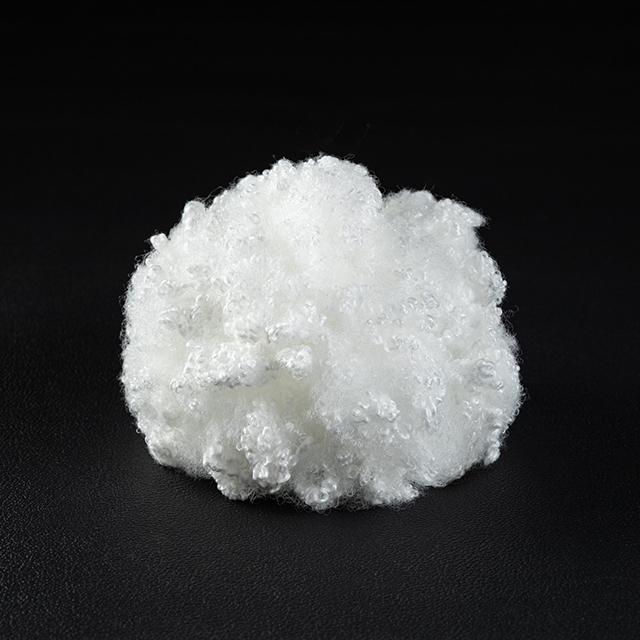
Structural Advantage: The helical structure of three dimensional crimp fiber traps more air than standard 2D fibers, significantly improving thermal insulation and bounce-back resilience without adding weight.
Application Specificity: While highly versatile, its primary commercial value is realized in high-loft applications such as premium hollow bedding filling, upholstered furniture, 3D carpets, and acoustic/thermal insulation.
Denier Dictates Function: Successful implementation requires matching the fiber denier (typically 3D, 7D, or 15D) to the specific end-product requirements—balancing softness against structural support.
Sustainability vs. Cost: Sourcing recycled variants offers a measurable reduction in energy consumption and environmental pollution, aligning with ESG goals while maintaining functional parity with virgin polyester.
Product developers must understand the physical mechanics of a fiber to accurately predict its behavior in consumer goods. Success on the production floor means maximizing volume and loft while minimizing raw material weight. Achieving this balance ensures ease of processing through opening and carding machinery. When a fiber resists clumping and maintains its structural integrity during high-speed manufacturing, factories reduce downtime and material waste. You want a fiber architecture that delivers consistent recovery after compression, ensuring the end product performs reliably over years of daily use.
The internal geometry of a fiber dictates its thermal and weight characteristics. A hollow core runs continuously through the center of the fiber shaft. This specific extrusion technique replaces dense polymer mass with empty space. It reduces overall fiber weight by 15 to 20 percent compared to solid alternatives of the same denier. Simultaneously, this hollow channel traps dead air. Static air acts as an exceptional insulator, increasing the thermal retention of the fiber dramatically. Manufacturers achieve the same insulation values using less raw material, directly improving the yield per bale. Operators on the floor notice the difference immediately when loading hopper feeders, as the bales yield significantly more volume.
The term conjugated refers to a highly specialized bi-component extrusion process. Two different polyester polymers are extruded side-by-side into a single fiber strand through a specialized spinneret. As the fiber cools in the quench cabinet after leaving the spinneret, these two polymers shrink at different rates. This differential shrinkage forces the fiber to curl into a permanent, spring-like three dimensional crimp fiber. Temporary mechanical crimping physically bends a solid fiber in a two-dimensional zigzag pattern that flattens over time. The conjugated crimp is built into the molecular structure. It acts like a microscopic coil spring, constantly pushing back against compression and maintaining long-term loft.
Surface treatments alter how fibers interact during manufacturing and inside the final product. Siliconized finishes coat the fiber in a micro-layer of silicone lubricant. This creates a slick, smooth surface that minimizes friction between individual strands. The result is a luxurious, down-like feel ideal for premium pillows and apparel. Non-siliconized finishes leave the fiber surface dry. This higher friction is necessary for structural blending, textile spinning, and nonwoven applications where the fibers need to grip each other to form a cohesive web or batt. Selecting the wrong finish causes severe processing failures during carding or a final product that lacks the desired hand-feel.
Convenient processability drives material selection. These advanced fibers blend seamlessly with natural materials like cotton, wool, or kapok. By blending a dry, non-siliconized synthetic fiber with natural staples, manufacturers optimize raw material expenditures while enhancing the durability and moisture management of hybrid textiles. The synthetic component provides the structural backbone. It prevents the natural fibers from matting or compressing permanently under moisture or pressure. This blending capability allows product developers to engineer specific performance profiles for diverse market segments.
Mapping technical properties to specific manufacturing applications ensures optimal material utilization. Different sectors leverage the hollow core and spring-like structure to solve distinct consumer problems.
Sleep products demand materials that manage heat, resist flattening, and withstand regular laundering. The unique architecture of these fibers makes them the industry standard for high-end sleep accessories.
Consumers expect pillows and duvets to remain fluffy and supportive night after night. Siliconized hollow bedding filling mimics the loft and thermal regulation of natural goose down. The trapped air provides warmth without heavy bulk, allowing for a comfortable sleep environment. Unlike natural feathers, this synthetic matrix is inherently hypoallergenic, resisting dust mites and mold growth. The permanent structural crimp allows the filling to survive aggressive machine washing and drying cycles. The fibers spring back to their original shape rather than clumping into hard, dense knots.
Mattress toppers endure sustained, heavy compression for eight hours at a time. The filling must provide immediate pressure relief while maintaining structural integrity over years of use. The helical structure of the fiber acts as thousands of tiny shock absorbers. When integrated into quilted mattress covers, it prevents the fabric from looking flat or worn. The hollow channels facilitate airflow directly beneath the sleeper, aiding in moisture evaporation and temperature regulation during the night. Factory quilting machines handle this material easily, as the consistent crimp prevents needle breakage and thread tension issues.
Furniture manufacturing requires filling materials that can withstand aggressive, dynamic loading. The selected fibers must support body weight while providing surface softness.
Lower-grade furniture suffers from the pancaking effect, where back cushions flatten and lose their aesthetic appeal within months. Utilizing resilient polyester stuffing prevents this degradation. The high recovery rate of the bi-component fiber ensures that cushions regain their plump appearance immediately after a person stands up. This resilience reduces the need for consumers to constantly fluff their furniture, directly improving brand perception and product longevity.
Factory floors rarely use a single material for high-end upholstery. Manufacturers frequently blend these hollow fibers with shredded high-density polyurethane foam or natural feathers. A common ratio involves mixing 50 percent foam for rigid core support with 50 percent siliconized fiber for surface softness. This hybrid approach optimizes material expenditures while delivering a cushion that feels plush upon initial contact but prevents the user from sinking too deeply into the furniture frame. Operators use specialized mixing blowers to ensure an even distribution of foam and fiber before filling the cushion ticks.
Beyond consumer comfort, the structural rigidity of thicker denier fibers serves heavy-duty industrial and architectural applications.
The integration of textured synthetic fiber in 3D carpet manufacturing relies entirely on the material's recovery mechanics. High-traffic flooring requires fibers that resist crushing under heavy footfall and rolling loads. The permanent crimp acts as a structural pillar within the carpet pile. When compressed by a shoe, the fiber bends rather than breaks. The built-in tension forces it back upright once the pressure is removed. This keeps the carpet looking new and prevents high-wear traffic lanes from developing prematurely.
Automotive and architectural sectors utilize these fibers for lightweight sound dampening. In automotive door panels, engine bays, and cabin headliners, nonwoven batts made from hollow fibers trap sound waves within their complex internal matrix. The hollow core provides significant thermal resistance, shielding vehicle interiors from engine heat or external weather conditions. Because the material is inherently lightweight, it helps automotive engineers reduce overall vehicle mass, contributing to better fuel efficiency.
High-loft nonwoven air and liquid filtration systems depend on high surface area and porosity. The three-dimensional structure creates a thick, open web that captures particulate matter without severely restricting airflow or fluid dynamics. This makes the fiber highly effective in HVAC filters, industrial dust collection systems, and aquatic filtration setups. Production lines use thermal bonding ovens to lock the fibers into a rigid filter matrix without losing the open void spaces.
Performance apparel requires maximum warmth with minimal weight, demanding materials that perform reliably in harsh environmental conditions.
Extreme weather gear relies on the clo value, a standard metric for thermal insulation. The trapped air inside the hollow channels and between the crimped strands generates a high clo value, keeping the wearer warm in sub-zero temperatures. Unlike natural down, which collapses and loses all insulating properties when exposed to moisture, this synthetic matrix retains its structure and warmth even when soaking wet. It dries rapidly, making it the preferred choice for mountaineering jackets, sleeping bags, and high-output activewear.
Procurement teams weigh technical features against manufacturing outcomes to make informed sourcing decisions. Understanding how this specific material compares to market alternatives ensures optimal factory performance and product quality.
The primary comparison in synthetic fills is between solid and hollow architectures. While 3D Hollow Conjugated Polyester Fiber carries a marginally higher per-kilogram procurement cost than basic solid fiber, the yield metrics tell a different story. The higher volume-to-weight ratio means manufacturers use significantly less material to fill the same physical space. This results in a lower net cost per finished unit.
Technical Feature | Solid Polyester Staple Fiber | 3D Hollow Conjugated Fiber |
|---|---|---|
Internal Geometry | Dense, solid polymer core | Continuous hollow air channel |
Crimp Mechanism | Mechanical (2D zigzag, temporary) | Bi-component (3D helical, permanent) |
Weight to Volume Ratio | Heavy and dense | Lightweight and high-loft |
Compression Recovery | Poor (flattens over time) | Excellent (springs back instantly) |
Thermal Insulation (Clo Value) | Low to moderate | High (traps static dead air) |
Machine Washability | Prone to matting and knotting | Maintains structure and loft |
Solid fibers suffer from severe limitations in high-loft applications. After repeated compression cycles, solid fibers lose their mechanical crimp, leading to a flat, lifeless product. The washability of hollow conjugated fibers vastly outperforms solid variants, as the built-in spring structure resists knotting and matting during agitation.
Denier measures the thickness of the individual fiber strand. Selecting the correct denier matches the material to the end product's functional requirements.
3D (Micro/Fine): This fine thickness provides an ultra-soft, down-alternative feel. It suits luxury apparel insulation, high-end sleeping pillows, and fine textile spinning where a smooth, gentle hand-feel is required.
7D (Standard/Versatile): The 7D thickness acts as the industry workhorse. It offers a perfect balance of softness and structural support, making it the standard choice for general bedding, standard throw cushions, and everyday outerwear.
15D (Coarse/Rigid): This thick, coarse fiber delivers maximum structural rigidity. It is strictly required for heavy-duty applications like furniture seat backs, 3D carpets, large floor cushions, and industrial nonwoven batts where preventing collapse under heavy weight is paramount.
The shift toward sustainable manufacturing requires analyzing the commercial trade-offs between virgin polymers and recycled options.
Recycled polyester requires significantly less energy to produce and creates substantially less environmental pollution than virgin polyester. By utilizing post-consumer plastic bottles as the raw material, manufacturers divert waste from landfills and oceans. This provides a powerful narrative for eco-conscious brands looking to improve their environmental, social, and governance metrics.
A common factory floor misconception is that recycled fibers perform poorly compared to virgin materials. Modern recycling and extrusion technologies have eliminated this gap. Industry standard testing shows that high-quality recycled variants offer equivalent loft, thermal retention, and compression resilience to their virgin counterparts. The bi-component extrusion process works just as effectively with purified recycled polymers.
Handling high-loft synthetic fibers requires specific machinery adjustments. Factory managers must calibrate their equipment to accommodate the unique physical properties of hollow conjugated materials.
Fibers arrive at the facility in highly compressed bales. The bale breaking process must be gentle enough to avoid fracturing the hollow core but aggressive enough to separate the dense clumps. Operators use spiked lattice aprons to pull tufts of fiber from the bale. Once opened, the fiber must rest in a conditioning room. This resting period allows the material to regain its natural moisture content and relax its crimp after months of compression during shipping. Skipping this conditioning phase leads to erratic feeding into the carding machines.
The carding machine aligns the fibers into a uniform web. Because 3D hollow fibers have a high degree of crimp, they tend to interlock tightly. Operators must adjust the settings on the worker and stripper rollers. If the wire clothing on the cylinders is too fine, the fibers will load up and jam the machine. Factories typically switch to a coarser wire profile with a more open angle to handle 7D and 15D hollow fibers. Cylinder speeds are also reduced slightly to prevent fiber breakage and minimize static electricity generation.
For nonwoven applications like mattress pads and acoustic insulation, the carded web passes through a cross-lapper. This machine folds the thin web back and forth onto a moving conveyor to build up the desired thickness and weight. Because hollow fibers are incredibly lightweight, the cross-lapper must run at precise speeds to prevent drafting or tearing the web. The resulting batt is then passed through an oven for thermal bonding or a needle-punch loom for mechanical entanglement.
Maintaining consistent product quality requires rigorous testing of incoming raw materials. Factories cannot rely on visual inspections alone when dealing with engineered synthetic fibers.
The percentage of hollow space inside the fiber directly impacts its weight and insulation properties. Quality control technicians use cross-sectional microscopy to examine the fiber ends. They calculate the void content by comparing the area of the hollow channel to the total cross-sectional area of the fiber. A standard 7D hollow fiber should maintain a void content between 15 and 25 percent. If the void content drops below this threshold, the extrusion process at the supplier's facility is flawed, and the fiber will perform like a heavier solid strand.
Crimp frequency is measured in crimps per inch (CPI). A consistent CPI ensures uniform loft and blending capability. Technicians stretch a single fiber under a specific tension and count the number of helical turns. To test recovery, a bulk sample of fiber is placed in a cylinder and compressed under a heavy weight for 24 hours. Once the weight is removed, the technicians measure how quickly and completely the fiber returns to its original volume. High-quality conjugated fibers will recover over 90 percent of their initial height within minutes.
For siliconized fibers, the exact amount of silicone applied to the surface is critical. Too little silicone results in a harsh feel and poor opening. Too much silicone causes the fibers to slide past each other too easily, leading to a product that lacks structural cohesion. Laboratories use solvent extraction methods to strip the silicone from a weighed sample. By measuring the weight difference before and after extraction, they determine the exact percentage of finish applied.
Transitioning materials on the factory floor introduces specific operational risks. Understanding what goes wrong during production and how to prevent it ensures smooth scaling and consistent quality control.
If the fiber's surface finish or moisture regain is not properly calibrated for the facility's climate, severe static buildup occurs. Static causes the fibers to wrap around the carding cylinders, leading to machine jams and broken wire clothing. Facilities must adjust cylinder speeds and install overhead humidification systems to maintain a relative humidity between 55 and 65 percent. This moisture level dissipates static charges and allows the fibers to process smoothly.
Large-scale production requires vetting wholesale manufacturers for their capacity and consistency. A supplier might provide an excellent 5-kilogram sample but fail to maintain that quality across a 40-foot shipping container. Procurement teams must audit facilities for automated blending and extrusion lines to ensure reliable quality across bulk international shipments. Inconsistent denier or uneven silicone application across different batches will immediately halt automated filling lines.
The cost of synthetic fibers ties directly to global PET resin prices, which fluctuate based on crude oil markets and recycling collection rates. These fluctuations impact the procurement cost of both virgin and recycled hollow fibers. To mitigate this risk, procurement teams negotiate long-term contracts with built-in price ceilings or index-linked pricing models. Diversifying the supplier base across different geographic regions protects against localized energy shortages or shipping disruptions.
To successfully integrate these advanced filling materials into your production lines, execute the following steps:
Align the denier choice and surface finish directly with the end-product's structural and tactile requirements before placing bulk orders.
Request comprehensive technical data sheets from suppliers to verify hollow ratios, crimp frequency, and compression recovery metrics.
Order small-batch samples to conduct in-house carding, blending, and static testing under your facility's specific climate conditions.
Calibrate carding machine cylinder speeds and wire clothing profiles to accommodate the high-loft nature of conjugated fibers.
Evaluate GRS-certified recycled options to meet corporate sustainability goals without sacrificing physical performance on the factory floor.
A: The difference lies in the thickness of the fiber strand. 3D is finer and softer, making it ideal for luxury apparel insulation and high-end down-alternative bedding. 7D is thicker and more robust, offering balanced structural support suitable for standard pillows, everyday cushions, and general outerwear.
A: Conjugated refers to a bi-component extrusion process where two different polymers are combined into one fiber. Because they cool and shrink at different rates, the fiber naturally curls into a permanent, spring-like three-dimensional crimp. This differs entirely from temporary mechanical crimping, which flattens out over time.
A: Yes. While the polyester material itself is synthetic and hydrophobic, the hollow internal structure and the 3D crimp create large, continuous air pockets within the filling. These open spaces facilitate excellent airflow, allowing body heat to dissipate and moisture to evaporate quickly.
A: Yes, it is highly machine washable. The permanent helical crimp acts like a spring, helping the fiber retain its shape and loft after the agitation of washing. It resists clumping and matting, provided operators use low to medium heat during the drying cycle to prevent melting the synthetic polymers.
A: Polyester stuffing is lightweight, breathable, and provides immediate, bouncy feedback. It allows for significant airflow and does not trap heat. Memory foam is dense, heavy, and contours slowly to the body. Foam offers rigid, targeted support but tends to retain body heat and lacks the fluffy loft of polyester.
A: Yes, it features highly convenient processability. Non-siliconized variants are frequently blended with natural staples like cotton or wool. This blending reduces overall material costs while significantly improving the structural durability, moisture management, and long-term loft of the final hybrid textile.