Views: 0 Author: Site Editor Publish Time: 2026-10-07 Origin: Site
Approving bulk textile orders without a rigorous color validation process introduces severe financial and operational risks. Rejected shipments destroy project timelines. Brand damage occurs quickly when fabrics exhibit bleeding, fading, or inconsistent shading. Transitioning from a digital color target or physical swatch to a scalable, mass-produced custom color requires strict oversight. You must manage complex variables like polymer dye affinity, masterbatch formulation, pigment dispersion, and environmental fastness.
A subjective visual check fails in modern textile manufacturing. We need a standardized, multi-stage approval workflow. This process helps procurement and textile engineering teams objectively evaluate and approve custom colors before committing to bulk manufacturing. By implementing strict data-backed validation, you protect product integrity and ensure consistent quality across every production run.
Visual inspection must be quantified using spectrophotometry and strict Delta E (ΔE) tolerances to eliminate subjective approvals.
Technical validation requires adherence to international testing standards, specifically ISO 105-C06 (washing) and ISO 105-E01 (water), to guarantee lifecycle durability against fading and bleeding.
Dope dyeing (solution dyeing) offers superior colorfastness for custom formulations but requires higher minimum order quantities (MOQs) and longer lead times for masterbatch matching.
Regulatory compliance, including chemical safety and regional labeling requirements, must be verified during the lab dip phase, not post-production.
You must define the exact end-use application before initiating any color matching process. Different applications demand vastly different performance metrics. Automotive textiles require extreme UV resistance to prevent degradation over years of sun exposure. Intimate apparel demands exceptional wash fastness and skin-safe chemical profiles. Outdoor gear needs robust resistance to weathering and moisture. Defining these parameters upfront dictates the chemical formulation required for the fiber.
You must also choose between surface dyeing and dope dyeing methodologies. Surface dyeing applies color to the finished fabric. This method offers flexibility for smaller batches but often suffers from lower colorfastness. Dope dyeing, or spun dyeing, integrates pigment directly into the polymer melt before extrusion. When specifying Colored Polyester Staple Fiber, dope dyeing provides superior longevity. The color becomes an inherent part of the fiber structure. This ensures excellent batch-to-batch consistency and significantly reduces environmental impact by eliminating wastewater from the dyeing process.
Subjective visual approvals lead to costly manufacturing disputes. You must establish objective color tolerances using the CIELAB color space. This system quantifies color across three axes: lightness (L*), red/green value (a*), and yellow/blue value (b*). By mapping a color in this three-dimensional space, we remove human bias from the evaluation process.
Delta E (ΔE) calculates the mathematical distance between the target standard and the submitted sample. You must define acceptable ΔE thresholds before requesting lab dips. Enforcing these strict numerical thresholds ensures that every approved batch meets your exact visual requirements. Different industries operate on different acceptable margins of error.
Industry / Application | Acceptable Delta E (ΔE) Tolerance | Approval Rationale |
|---|---|---|
High-End Fashion & Apparel | ≤ 0.8 to 1.0 | Requires near-perfect visual matching under multiple light sources to maintain brand identity. |
Automotive Interiors | ≤ 1.0 to 1.2 | Strict uniformity required across different interior components (seats, headliners, door panels). |
Standard Commercial Textiles | ≤ 1.5 to 2.0 | Acceptable for mass-market apparel where slight batch variations are not noticeable to consumers. |
Industrial & Hidden Components | ≤ 2.0 to 2.5 | Color is secondary to physical performance; wider tolerances reduce masterbatch costs and lead times. |
Evaluating a sample under standard office lighting guarantees failure. You must evaluate every lab dip under standardized light sources using a calibrated light box. The primary standard for daylight simulation is D65, representing a color temperature of 6500K. You should also test under TL84, which simulates typical commercial store fluorescent lighting at 4000K, and Illuminant A, which represents incandescent home lighting at 2856K. Viewing the sample across these different environments ensures comprehensive color accuracy.
This multi-source testing identifies metamerism. Metamerism occurs when two colors appear to match under one light source but look completely different under another. This happens when the pigment formulations differ despite achieving a similar visual output under specific conditions. You must immediately reject any sample exhibiting metameric failure to prevent downstream retail disasters. A fabric that looks perfectly matched in the factory but shifts color on the retail floor will result in immediate chargebacks.
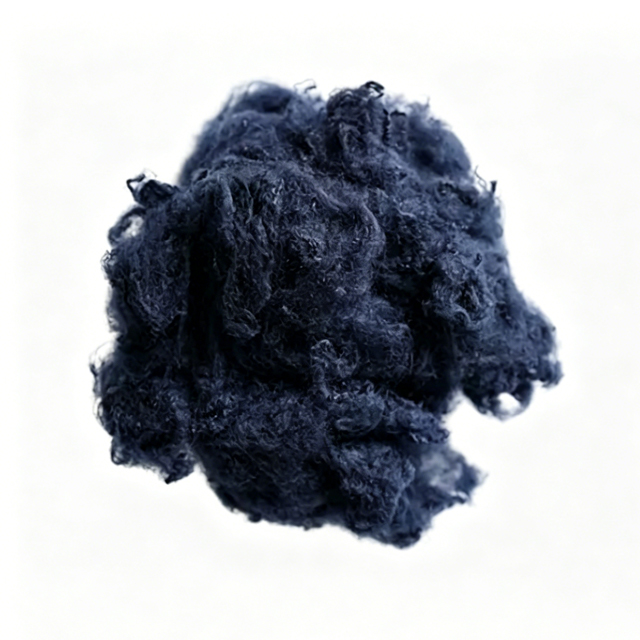
Before proceeding to expensive laboratory testing, conduct a thorough preliminary visual inspection of the fiber bundle. You are looking for obvious quality defects that indicate poor manufacturing controls on the extrusion line. Spread the fiber sample evenly across a neutral gray background. Inspect the material for uniform color distribution and consistent luster.
Look closely for dark specks, streaks, or un-pigmented white fibers mixed into the bundle. These defects point to early pigment dispersion issues within the masterbatch. If the carrier resin fails to distribute the pigment evenly during extrusion, the resulting fiber will exhibit these visual inconsistencies. Catching these problems during the initial visual check saves time and testing resources. You should also card the fiber manually to check for neps—small, tangled knots of fiber that often trap undispersed pigment.
Visual checks provide a baseline, but spectrophotometric analysis delivers the final verdict. A spectrophotometer measures the amount of light reflected by the fiber across the visible spectrum. Factory labs typically use integrating sphere spectrophotometers with d/8 geometry to capture accurate readings regardless of the fiber's surface texture. This generates a precise digital spectral curve for the submitted lab dip. This digital fingerprint is unique to that specific pigment formulation.
You then compare this digital reading against your master standard. The software calculates the exact color deviation and provides the ΔE value. Approving a custom color polyester fiber requires strict adherence to this digital alignment. If the spectrophotometer indicates a ΔE above your established threshold, the lab dip must be reformulated and resubmitted. Do not accept manual overrides of spectrophotometer data.
Fibers must withstand repeated laundering without degrading. The ISO 105-C06 testing protocol evaluates how the fiber holds up to both commercial and domestic washing. This test subjects the sample to specific temperatures (typically 40°C or 60°C), standard reference detergents, and mechanical agitation levels designed to simulate real-world lifecycle stress. Stainless steel balls are often added to the wash cylinder to replicate the abrasive action of a heavy laundry load.
You must evaluate two distinct outcomes from this test. First, assess the color change in the primary sample. Second, evaluate the staining on adjacent multifiber fabrics. This involves attaching a standard DW multifiber strip—containing bands of diacetate, cotton, polyamide, polyester, acrylic, and wool—to the test sample. After washing, you inspect these adjacent strips for cross-contamination. Use the standard grayscale rating system to quantify the results. You should target a rating of 4 or 5 for both color retention and minimal staining.
Exposure to pure water can also cause dye migration. The ISO 105-E01 standard tests the fiber's resistance to color bleeding when saturated with distilled water. The sample is soaked, placed under pressure between glass or acrylic plates in a perspirometer, and incubated at 37°C for four hours. This simulates a wet garment left in a gym bag or laundry basket.
Achieving a high rating on this test is critical for specific end-uses. High-performance activewear, swimwear, and intimate apparel frequently encounter prolonged moisture exposure. If the fiber fails the ISO 105-E01 test, the resulting garment will bleed onto the wearer's skin or other clothing items. Demand a grayscale rating of at least 4 for any application involving direct skin contact or heavy perspiration.
Certain colors present unique chemical and physical challenges during the formulation process. Deep, vibrant reds are notoriously difficult to stabilize. Achieving these intense shades requires heavy pigment loads within the polymer matrix. When approving red polyester staple fiber, you must pay close attention to wet crocking (rubbing) fastness. The high concentration of pigment can migrate to the surface, causing the color to rub off onto other materials when wet. You must balance the desired vibrancy with strict physical performance testing.
Blue shades present a different set of challenges, primarily related to light degradation. When evaluating blue polyester staple fiber intended for outdoor, marine, or automotive use, UV resistance is the primary concern. You must mandate ISO 105-B02 lightfastness testing. This protocol exposes the sample to intense xenon arc fading lamps to simulate long-term sunlight exposure. Ensure the blue formulation contains adequate UV stabilizers to prevent premature fading and structural degradation of the polymer chain.
Successfully matching a color in a small lab dip does not guarantee success in bulk production. Transitioning to full-scale manufacturing requires creating a bulk masterbatch. This masterbatch is a highly concentrated mixture of pigments and carrier resins. The formulation must be precise to ensure the color scales accurately when mixed with the virgin or recycled polyester chips during extrusion. The let-down ratio (LDR)—the exact percentage of masterbatch added to the base polymer—must be strictly controlled by gravimetric dosers on the factory floor.
You must manage trade-offs between exact color matching and fiber tenacity. Introducing high concentrations of pigment into the polymer melt can disrupt the molecular structure of the polyester. This disruption reduces the physical strength, or tenacity, of the extruded fiber. Furthermore, the carrier resin used in the masterbatch must have a Melt Flow Index (MFI) perfectly compatible with the base polyester. Incompatible resins lead to poor pigment dispersion, resulting in streaking, weak spots, and frequent filament breakage at the spinneret.
Never approve a bulk order based solely on a lab dip. You must require a pilot run or pre-production sample (PPS) before authorizing full manufacturing. The PPS utilizes the actual bulk masterbatch formulation and runs on the production extrusion equipment. This step validates that the lab formulation scales correctly under real-world manufacturing pressures, including high temperatures and rapid draw speeds.
Inspect the PPS rigorously. You are verifying that the bulk process maintains the quality established during the lab phase. Use a structured checklist to evaluate the pilot run objectively.
Inspection Parameter | Evaluation Method | Acceptance Criteria |
|---|---|---|
Color Accuracy | Spectrophotometer measurement against master standard | ΔE ≤ 1.0 (Critical) or ≤ 2.0 (Commercial) |
Visual Uniformity | Light box inspection under D65 and TL84 | No streaks, specks, or metameric failure |
Fiber Tenacity | Tensile strength testing equipment | Meets minimum cN/dtex specification for end-use |
Pigment Dispersion | Microscopic cross-section analysis | Even pigment distribution; no agglomeration |
Wash Fastness | ISO 105-C06 protocol | Grayscale rating ≥ 4 for change and staining |
Color approval extends beyond visual aesthetics and physical durability. You must verify the chemical safety of the dye formulation. The pigments and carrier resins used in the masterbatch must comply with international restricted substance lists (RSLs). Verify adherence to REACH regulations for the European market, specifically checking that no Substances of Very High Concern (SVHCs) are present. Ensure the formulation meets OEKO-TEX Standard 100 requirements for harmful substances, particularly if the fiber is intended for baby products or direct skin contact.
Do not wait until post-production to check chemical compliance. Request safety data sheets (SDS) and compliance certificates during the initial lab dip phase. Discovering a restricted chemical in a finished bulk order results in total inventory loss and severe regulatory penalties. Proactive verification protects your supply chain and prevents costly legal liabilities.
Custom fiber formulations directly impact downstream labeling and brand compliance. Different regions enforce strict regulations regarding textile composition and chemical disclosures. For example, emerging regulations in the United States, such as California AB 2379, focus heavily on microfiber pollution warnings for synthetic textiles. Your color formulation and extrusion process impact the shedding characteristics of the final fabric. Poorly dispersed pigments weaken the fiber, increasing the rate of microfiber shedding during domestic washing.
Supplier transparency during the color approval stage is non-negotiable. You need complete visibility into the masterbatch components to generate accurate mandatory compliance documentation. Partnering with manufacturers who provide detailed technical data sheets (TDS) ensures you can confidently manage complex regional labeling laws without risking non-compliance fines or shipment seizures at customs.
Achieving a perfect color match takes time. Multiple lab dip iterations and masterbatch reformulations significantly extend project timelines. You must analyze the impact of these delays against your production schedule. Every round of adjustment adds weeks to the critical path, from reformulating the pigment mix to extruding new sample fibers and running the required ISO fastness tests.
Develop a framework for deciding when to accept a commercial match versus demanding an exact match. If the fiber is intended for a hidden industrial application, accepting a ΔE of 1.8 saves weeks of development time. If the fiber is for a flagship apparel line, you must absorb the longer lead time to achieve a ΔE of 0.8. Base this decision strictly on end-use visibility and brand standards, communicating these expectations clearly to the factory before the first lab dip is struck.
Your color approval process is only as reliable as the data provided by your supplier. You must audit their in-house testing capabilities before initiating a custom color project. A qualified fiber manufacturer must possess modern, calibrated testing equipment. This includes integrating sphere spectrophotometers from reputable brands, ISO-compliant washing fastness testers, and standardized multi-source light boxes with regularly replaced bulbs.
Do not rely solely on internal supplier data for new custom formulations. Request third-party verification for the first bulk run of a new color. Engage independent laboratories like SGS, TÜV SÜD, or Intertek to validate the supplier's internal fastness and colorimetry data. This independent audit establishes a baseline of trust and ensures the manufacturer's equipment is properly calibrated and their lab technicians are following standard operating procedures.
Approving custom colors is a highly technical process that demands rigorous factory-level oversight. It requires a precise blend of digital colorimetry, ISO-standardized physical testing, and strict compliance verification. Relying on subjective visual checks guarantees downstream failures, rejected shipments, and brand damage. By implementing a data-driven workflow, you control the variables of masterbatch formulation, pigment dispersion, and environmental fastness. Procurement teams must prioritize partnerships with technically capable manufacturers who offer transparent masterbatch formulation data and consistently deliver visual uniformity. To secure your next custom color order, execute the following steps immediately:
Draft a formalized Color Approval Standard Operating Procedure (SOP) detailing acceptable ΔE tolerances and mandatory ISO tests for your specific product category.
Require initial lab dips to be submitted alongside comprehensive technical data sheets (TDS) and safety data sheets (SDS) from prospective fiber manufacturers.
Mandate a Pre-Production Sample (PPS) pilot run on actual extrusion equipment to verify scalability before authorizing any bulk manufacturing.
Integrate chemical compliance checks, including REACH and OEKO-TEX verification, into the initial lab dip review phase to prevent late-stage rejections.
Schedule an independent third-party lab audit for the first bulk production run to verify the supplier's internal colorimetry and fastness data.
A: The acceptable Delta E (ΔE) depends on the end-use criticality. For high-end apparel and highly visible applications, a strict threshold of ≤ 1.0 is required. For standard commercial matches, industrial textiles, or hidden components, a ΔE of ≤ 2.0 is generally acceptable. Always define this metric before requesting lab dips.
A: Colorfastness is tested using standardized ISO protocols. ISO 105-C06 evaluates resistance to commercial and domestic washing. ISO 105-E01 tests resistance to water exposure. Both tests use a grayscale rating system (1-5) to evaluate color change in the primary sample and staining on adjacent multifiber fabrics.
A: Deep, vibrant reds require exceptionally high pigment loading within the polymer melt. This heavy concentration can negatively impact the fiber's tenacity and cause pigment dispersion issues. It also increases the risk of poor wet crocking (rubbing) fastness, requiring careful formulation balance between vibrancy and physical durability.
A: Dope dyeing (spun dyeing) integrates color pigment directly into the polymer melt before the fiber is extruded. This makes the color an inherent part of the fiber, offering superior fastness against fading and bleeding. Piece dyeing applies color to the finished fabric surface later in the manufacturing process.
A: Metamerism occurs when a custom color sample matches the standard under one light source (like daylight) but appears different under another (like store lighting). Samples must be evaluated under multiple standardized light sources (D65, TL84, Illuminant A) to detect and reject metameric formulations before bulk production.
A: A qualified supplier must provide comprehensive documentation, including digital spectrophotometer readings (ΔE data), ISO test reports for washing and water fastness, visual uniformity guarantees from the pilot run, and chemical compliance certificates such as OEKO-TEX or REACH declarations.